




The West Austin Neighborhood Group (WANG) is a non-profit organization of residents with the shared goal of preserving West Austin and protecting it from deterioration. WANG is concerned with community development, ecology, safety, and any other matters that indirectly and directly affect the quality and character of the neighborhood and the City of Austin.

Latest Newsletter

May 2026 Newsletter

Important public input needed:
MoPac South Expansion.
Deadline to submit input is: May 3!!
WANG has joined the Better MoPac Coalition.
Please submit comments to CTRMA at this link: bettermopaccoalition.org
Howson Library

May Monthly Meeting

May 13 @ 6:00 pm - 8:00 pm

Please join us, all are welcome!

Contact Us

Let us know about neighborhood issues and concerns! You can reach us at wang-board@westaustinng.com

WANG Newsletter

Sign up to receive our E-Newsletter! Please send an email to newsletter@westaustinng.com

Dear Neighbors, 

WANG needs your help. The proposed Mopac South Expansion will affect our neighborhood, environment, parks, trails, traffic, and schools in a very adverse manner for years to come! Please write to the Central Texas Mobility Authority about the Mopac South Expansion before May 3!

SEND COMMENTS TO CTRMA HERE: 

Online: the CTRMA Online Form

Email: mopacsouth@ctrma.org

Mail: Central Texas Regional Mobility Authority

ATTN: MoPac South

3300 N. IH-35, Suite 300

Austin, TX 78705

Voicemail (3 minutes max): 512-387-5811

Please require that CTRMA do the following:

A Full Environmental Statemet: CTRMA is cutting corners with a predetermined FONSI. Under the National Environmental Policy Act, a full EIS is required when a project will significantly impact the environment. Drilling into the Edwards Aquifer, harming endangered species, damaging parks, and worsening air quality next to Austin High School are all significant impacts that should trigger a full EIS.

An Updated Analysis: This project started in 2011, and the traffic model used to dismiss alternatives was finalized in 2012—over 14 years ago. Since then, we’ve had a pandemic, expanded telecommuting, and approved Project Connect. We need CTRMA to rethink this project with reconsideration of alternatives, updated data, and consideration of local goals and policies.

Review of the “Benefits”: After 5-7 years of disruptive construction, the project will save only 5-6 minutes for someone traveling the entire 8.77-mile length during rush hour.  Meanwhile, construction delays will largely zero out these minimal improvements 

Protection for Endangered Species: CTRMA admits the expansion will adversely affect 4 federally endangered species but refuses to consider design alternatives that could avoid these impacts. Construction will threaten the clean flow of groundwater to Barton Springs and kill cave ecosystems that cannot be restored.

Clean Air for Students: Austin High School students and nearby residents will be exposed to higher levels of fine particulate matter (PM2.5) from increased traffic, tire wear, and brake dust. CTRMA’s claim that air quality will improve despite 331 million more vehicle miles traveled per year being added to the corridor is not credible.

Water Protection: The proposed water quality treatment doesn’t meet the standards that Travis County and the City of Austin use for their own roads. During construction, sediment and pollutants will flow directly into the Edwards Aquifer Recharge Zone, causing irreversible harm.

WANG has voted to support the Better Mopac Coalition. We are asking that CTRMA complete a thorough Environmental impact Statement, as required by the federal government. The current CTRMA environmental assessment is that the Mopac South Expansion will have NO environmental impact at all!

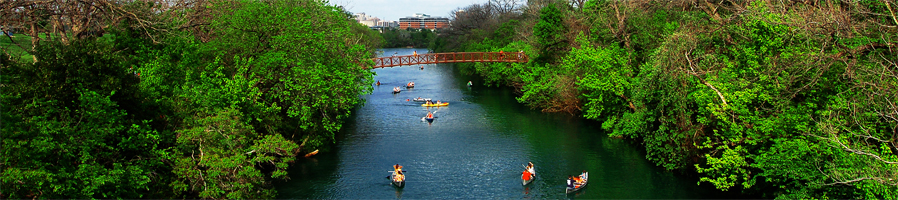
The proposed MoPac expansion, extending 8.8 miles from Enfield Road to Slaughter Lane, will add SEVEN lanes across Lady Bird Lake, blocking out the sun over the beloved hike-and-bike pedestrian bridge, a thoroughfare for hundreds of daily trail users. Beyond the loss of sunlight, the expanded 14 lane massive highway bridge would bring a sharp increase in vehicle emissions and constant traffic noise, degrading air quality and the experience of the trail. Runoff and construction impacts also pose a direct threat to the lake itself, putting water quality, habitat, and the health of this central urban ecosystem at risk.

The currently proposed addition of 6 to 7 new lanes, 4 of them tolled, extending 8.8 miles from Enfield Road to Slaughter Lane, will have significant negative impacts in, at least, the following ways:

  • Five to seven years of construction will do major harm to traffic flows on Mopac, adjacent crossing streets, and access to and from Austin High School, Zilker Park, and downtown Austin.
  • Five to seven years of construction will cut off use of Lady Bird Lake by rowers, boaters, and others, and shut down the use of the Roberta Crenshaw Pedestrian and Bike Bridge under Mopac.
  • Adding five to seven new lanes will increase noise and light pollution and harm endangered species and their habitats;; air pollution will harm public health at Austin High; water pollution will harm Barton Springs; and traffic congestion will only be shifted to bottlenecks on north Mopac, Cesar Chavez and other streets.
  • There is no evaluation of less harmful, more affordable options that should be done first, including removing the southbound 2-lane bottleneck just north of William Canon, providing rush hour HOV lanes on the existing inside lanes; and enhancing traffic demand technology (including telecommuting and system flow management).
  • The proposed project must be evaluated together with the TxDOT proposal to connect the south end of Mopac to I35, converting Mopac to a western I35 bypass.

It’s important to know that Travis County Commissioners, the Austin City Council, Neighborhood Associations and many members of the public are OPPOSED to the current Mopac South Expansion. Your public input is essential! Please join WANG and write to the CTRMA Board before May 3, asking for a BETTER Mopac South Expansion and an Environmental Impact Statement!

Sincerely,

The WANG Board of Directors